

3. Preparing your students
A conversational approach from week 1
Introducing a conversational approach into your course from the beginning offers several benefits that enhance both the learning experience and students’ ability to engage effectively in the Interactive Oral Assessment (IOA), such as:
- Communication skills: A conversational approach actively engages students in dialogue, which helps improve their verbal communication, listening skills, and ability to think critically on their feet. As oral assessments often require students to articulate ideas clearly and respond to questions in real-time, practicing these skills in a conversational setting can reduce anxiety and increase confidence.
- Simulating real-life scenarios. A conversational approach can also be achieved by embedding opportunities for students to have interactions that align well with the workplace. These interactions may help them to build effective oral communication skills, whether it’s in simulated meetings, negotiations, presentations, or client interactions. These kinds of in-class learning activities provide a natural bridge to an IOA assessment.
- Fostering critical thinking: A conversational approach in the classroom can help students practice critical thinking skill by encouraging spontaneous thinking and discussion. IOAs require students to respond to questions or challenges in real time, sometimes without the opportunity for extensive preparation. In-class activities that require students to evaluate, synthesise, and present ideas coherently on the spot can help prepare them for their IOA.
- Reducing assessment anxiety and building confidence: For many students, assessments can create anxiety, especially if they are required to perform in front of a marker or under timed conditions. A conversational approach in the classroom allows students to become more comfortable with oral communication, which can help reduce anxiety during the actual assessment. By engaging in informal, low-stake conversations, students can gradually build the skills and confidence needed for an IOA assessment.
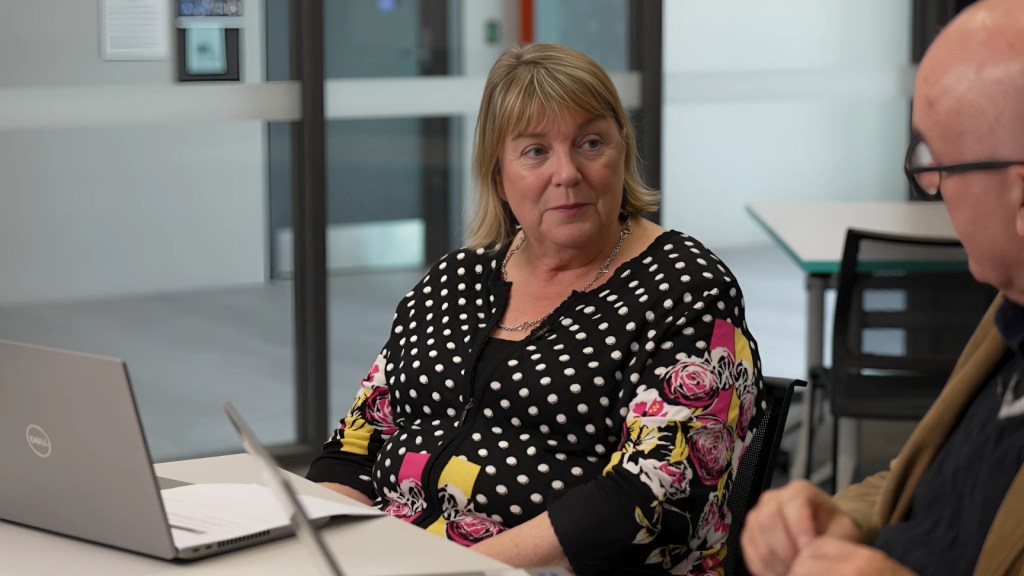
An in-class opportunity to observe and assess an IOA
In addition to embedding a conversational approach into weekly activities, we highly recommend you provide an opportunity for your students to observe and assess a mock IOA before they sit their own IOA. The benefits for students and the teacher are considerable:
- Practice using the rubric and developing evaluative skills: Watching and assessing a ‘mock IOA’ can help develop students’ their critical thinking and evaluative skills. When students analyse the performance based on a rubric, they learn to identify key components of effective oral communication, such as clarity, coherence and engagement, as well as other aspects highlighted in the rubric. This process encourages students to apply the same criteria they will be assessed on, which can improve their own performance. Rather than passively reading the rubric, students are actively applying it, making the criteria more meaningful.
- Encouraging self-reflection: Watching a mock IOA performance and marking it against a rubric encourages students to reflect on their own strengths and weaknesses. As they evaluate the video, they may recognize areas they need to improve in their own speaking or presentation style, which can inform their study and practice for their own IOA assessment.
- Reducing anxiety and building confidence: Students may feel less anxious about the interactive oral assessment if they have had the opportunity to observe one first. This can demystify the assessment process, making it feel less intimidating and giving them the opportunity to become more comfortable with the format.
- Opportunity to rewatch a video: A practice video can be accessed by students at any time, providing a flexible learning tool. Students can pause and reflect on the performance at their own pace, giving them the chance to analyse the video and revisit parts of it that they find particularly useful.
- A diagnostic for student IOA conversational performance: Observing how students respond to the IOA also provides a valuable opportunity for the teacher observe how students respond to a conversational assessment and may guide future approaches to support students to perform to the best of their ability in the IOA.
 IO Assessment